Can AI assistants actually watch video?
Not reliably, and for local business questions, in practice no. Google indexes YouTube and can read transcripts, titles, descriptions and chapters, and its AI answers sometimes include a video where one fits the question. ChatGPT and Perplexity read the page a video sits on and any text attached to it. None of them will sit through your three-minute walkthrough of a boiler installation and understand what happened. So the honest answer is that video helps AI visibility indirectly, through the text it forces you to write and the trust it builds with the person who clicks through.
How does video help a business get recommended?
Two ways, one for machines and one for people. For machines, a video published properly comes with a title that names the job and the town, a description that says what was done, and a transcript, which together add a page of specific, dated evidence to the web about your business. For people, someone sent to your site by an assistant is checking whether to believe the recommendation, and thirty seconds of the real team on a real job in Marsden does that better than any paragraph.
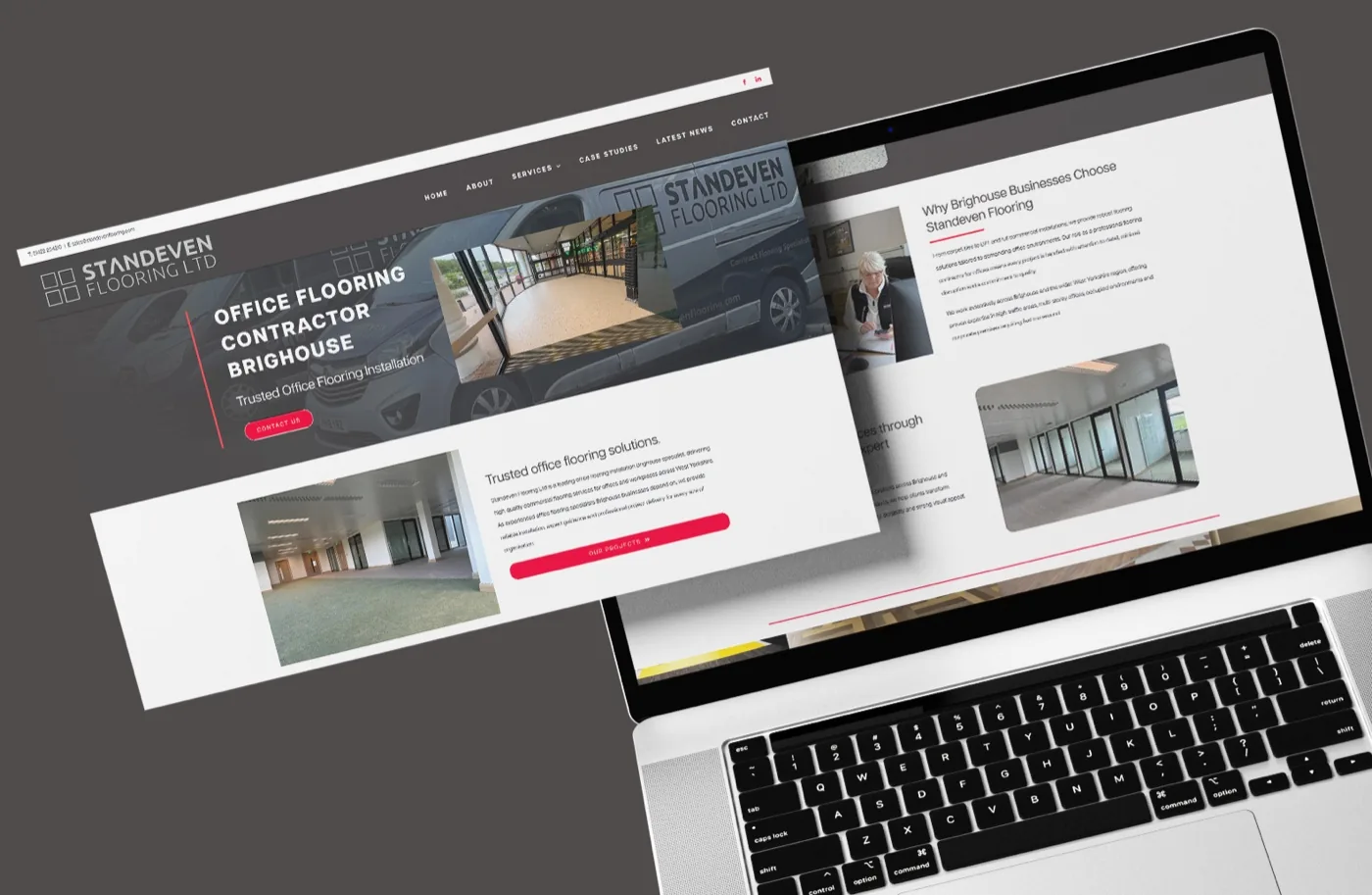
Standeven Flooring is the case we point to. Filming jobs like the M&S Food store in Pudsey as they happened, and publishing them with the project named, has helped the firm win more large contracts. The film is evidence a buyer can check and a page a machine can read.
Which kinds of video are worth making?
Short, specific and real. The four that earn their keep for a trade or a contractor:
- A job from start to finish, named and dated, with the customer’s permission
- A thirty-second introduction from the owner saying what the business does and where
- A single question answered on camera, the same question a customer would put to an assistant
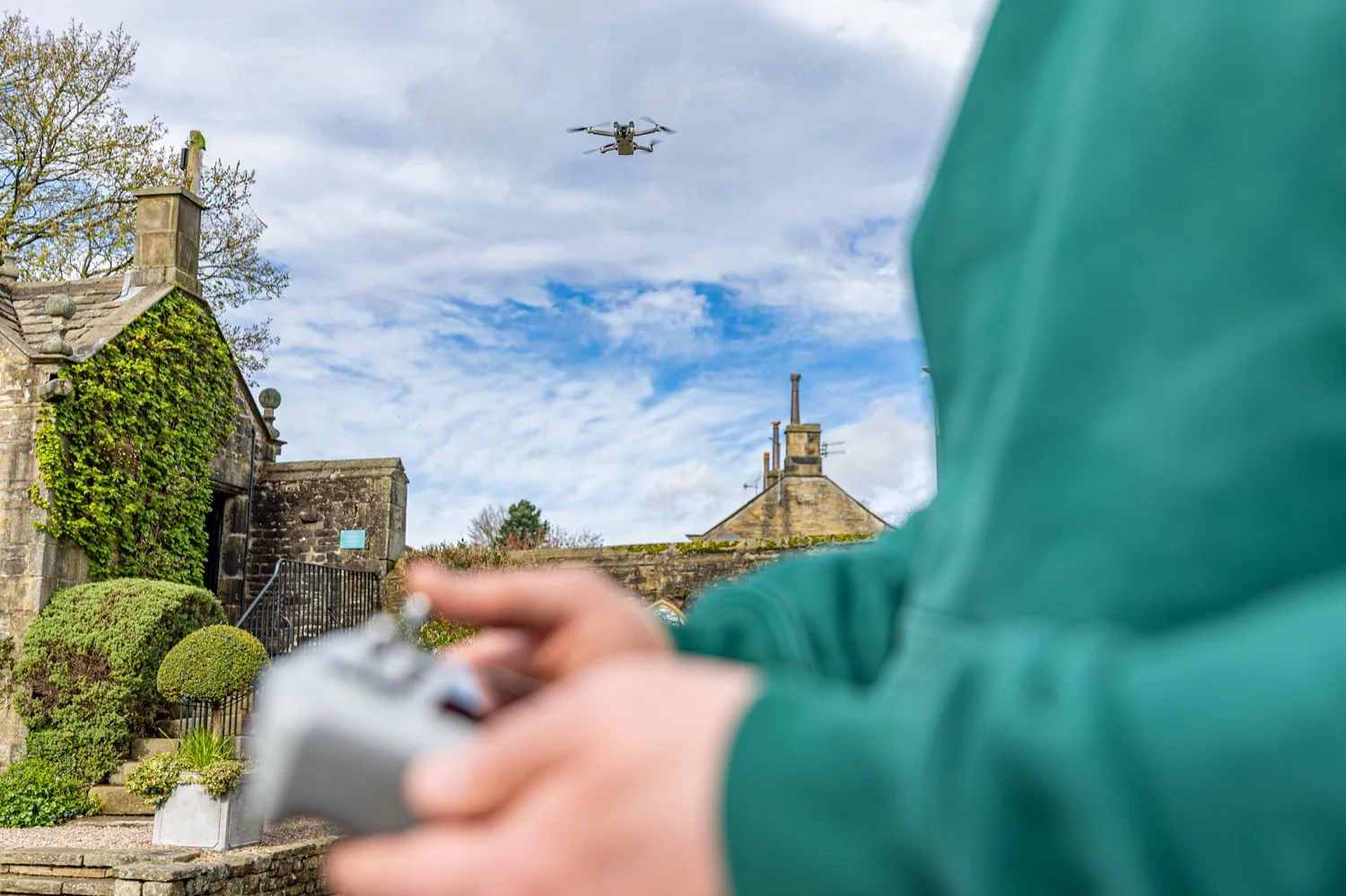
- Drone footage of a site or a development, which shows scale no photograph can
Where should the video be published for AI search?
On your own website first, on the page for the service or project it shows, with a written description underneath that says what the viewer is looking at, because that page is what gets read. Then on YouTube, with a full title, a description in sentences, the town, and the automatic transcript checked and corrected. Then on your Google Business Profile as a post or a photo, where Google reads it directly. Social media last, for reach with people, with the same description pasted in. One film, four places, one set of words.
A logo animation, a stock montage and a talking head about your values do nothing for either audience, however well they are cut.
Does video help with Google as well as AI?
Yes, in the ordinary way. A page with a relevant video and a proper description tends to hold visitors longer, YouTube is itself one of the most used search engines and shows up in Google results in its own right, and video results appear in Google’s AI answers where the question suits them. None of that is new. What is new is that the text you write to publish a video well is precisely the specific, dated, place-named evidence an assistant needs, so the two jobs have become the same job.
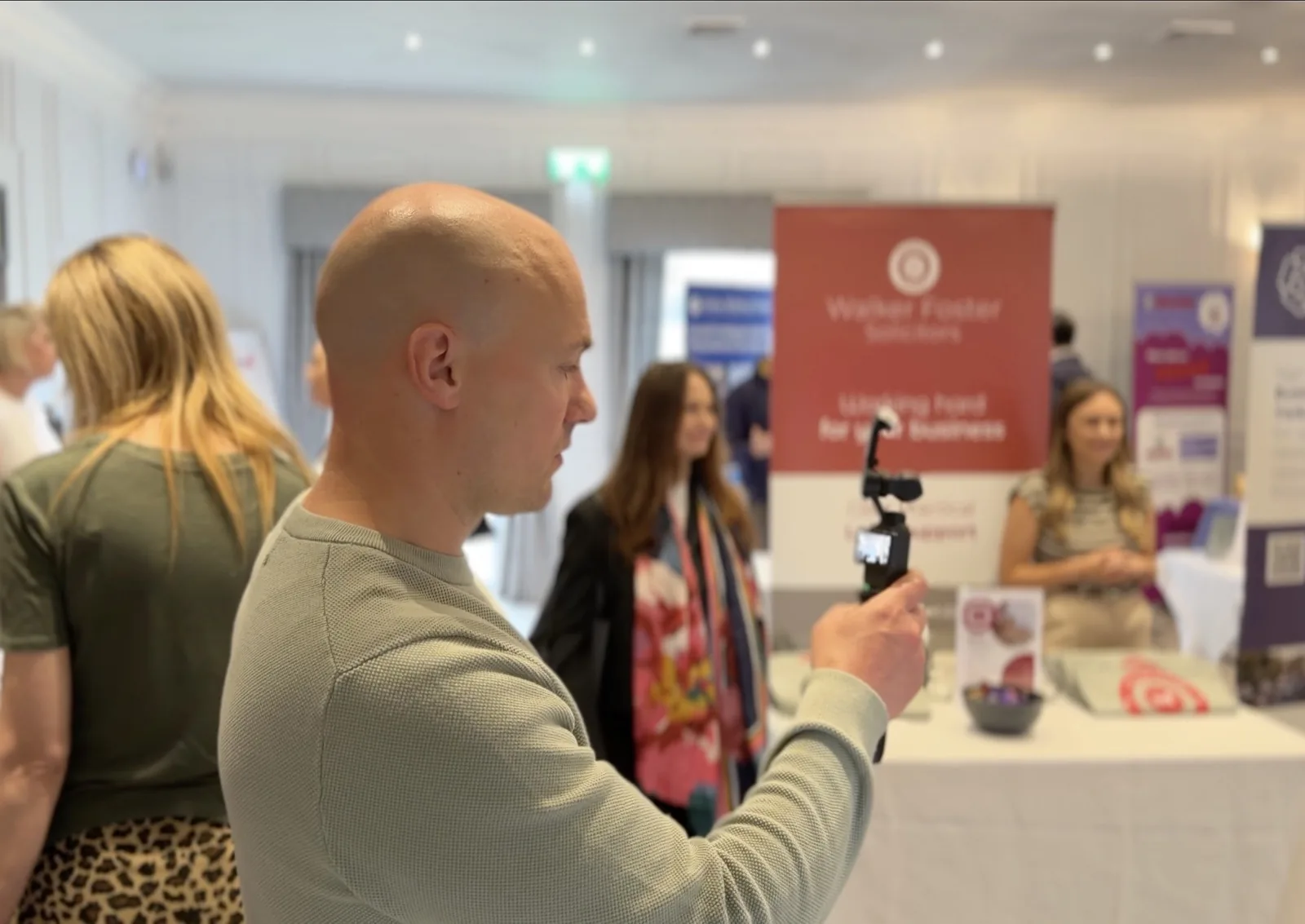
What does filming a job involve with Halizona?
Half a day on site, usually. We shoot our own photography and video, fly the drone ourselves for construction and property work, and write the titles, descriptions and transcripts as part of the same job, so nothing is left for you to publish. One visit typically produces a project film, a set of photographs for the website and the profile, and a month of social posts. We have filmed Standeven at Pudsey, photographed Bond Brickwork’s Swarcliffe site from the drone, and filmed Jack Lunn’s Flower Meadows development in Bradford.